
First vet visit checklist for small pets (what to ask and what to bring)
A practical checklist for your first exotics vet appointment: questions, common checks, and how to prepare.
Quick answer
Book a baseline check with an exotics vet soon after adoption. Bring diet details, photos of the enclosure, and a list of behaviors you’ve noticed. Early guidance prevents the most common health issues.
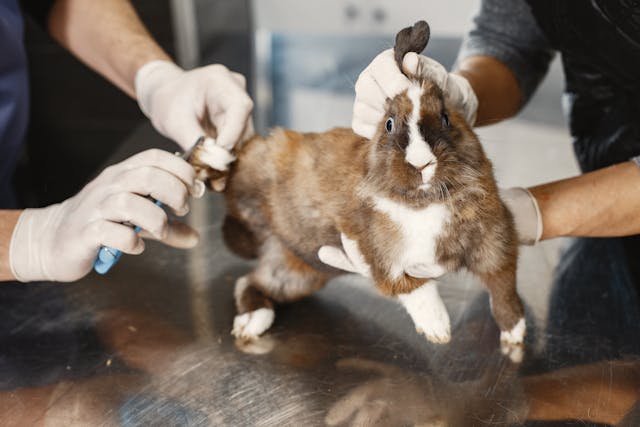
Before the appointment
- Find a vet that regularly sees your species (exotics)
- Use a secure carrier with ventilation
- Keep the trip calm and temperature-stable
Bring this (it makes the visit better)
- A photo of your enclosure setup
- Current food brand and feeding routine
- Any supplements you use
- A short notes list: appetite, energy, stool, behavior changes
Questions worth asking
- What does a healthy weight look like for this species?
- What are the top 3 warning signs I should watch for?
- What’s the recommended nail/teeth/skin check routine?
- Which foods/treats should I avoid?
- What’s your after-hours plan for emergencies?
What vets often check
- Weight and body condition
- Teeth/mouth (important for many small pets)
- Skin/coat and parasites
- Hydration and general condition
FAQ
Should I wait until something is wrong?
No. A baseline visit helps you avoid “silent” problems and gives you a vet relationship before emergencies.
Do I need pet insurance?
It depends on your budget and local options, but having an emergency fund is always smart.
How do I reduce travel stress?
Keep the carrier covered lightly, avoid loud noise, and keep temperature stable.
Next step
Want a simple health-monitoring routine you can do weekly in 3 minutes?
Find the best pet for your lifestyle
Want a quick, practical recommendation instead of browsing?
Start the quizFind the best small pet for your lifestyle
Already leaning toward a specific breed? Get a shortlist that fits your home and routine.
Find the best small pet for me