Safe and toxic foods for small pets (a practical cheat sheet)
What you can share safely and what to avoid. Includes the common household foods that cause the most problems.
Quick answer
When in doubt, keep treats tiny and stick to species-appropriate foods. Avoid common household hazards like chocolate, onion/garlic, alcohol, caffeine, and anything sweetened with xylitol.
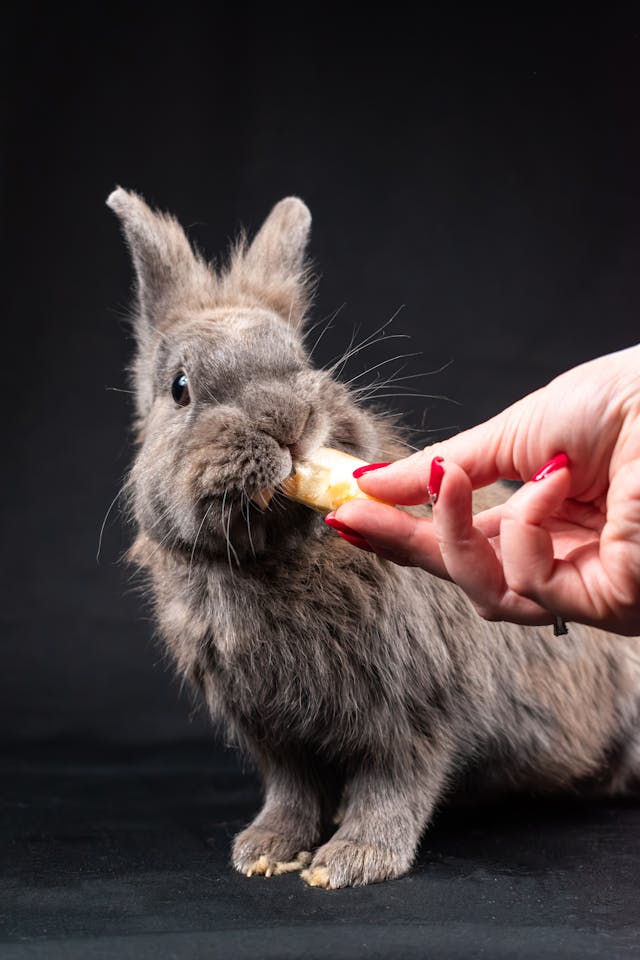
Generally safer treat categories (small portions)
- Leafy greens (introduced slowly)
- Small pieces of certain vegetables
- Species-safe commercial treats in moderation
Foods to avoid (common household hazards)
- Chocolate and caffeine
- Alcohol
- Onion and garlic
- Grapes and raisins
- Xylitol (often in sugar-free gum/candy)
- Very salty, spicy, or fried foods
How to introduce new foods safely
- Add one new item at a time
- Keep the portion tiny
- Watch appetite and stool
- If something causes problems, stop and return to the stable base diet
“Treat math” that works
If a treat is bigger than your pet’s paw (or mouth), it’s usually too big.
FAQ
Can I give fruit?
Some pets can have small pieces occasionally, but fruit is often sugary. Treat it as a rare extra, not a daily routine.
My pet begs. Should I keep giving snacks?
Begging is learned. Use measured treats during bonding or training, then stop.
What if my pet ate something unsafe?
Remove access, keep the packaging, and contact an exotics vet for guidance.
Next step
Want a simple treat plan that supports bonding without overfeeding?
Find the best pet for your lifestyle
Want a quick, practical recommendation instead of browsing?
Start the quizFind the best small pet for your lifestyle
Already leaning toward a specific breed? Get a shortlist that fits your home and routine.
Find the best small pet for me