
Heat and thermoregulation for reptiles: how to build a safe temperature gradient
A beginner-friendly guide to basking spots, cool zones, thermostats, and measuring temperatures the right way.
Quick answer
Reptiles do not regulate body temperature like mammals. They need a temperature gradient so they can move between warmer and cooler areas. If you get the gradient right, feeding, digestion, shedding, and activity improve dramatically.
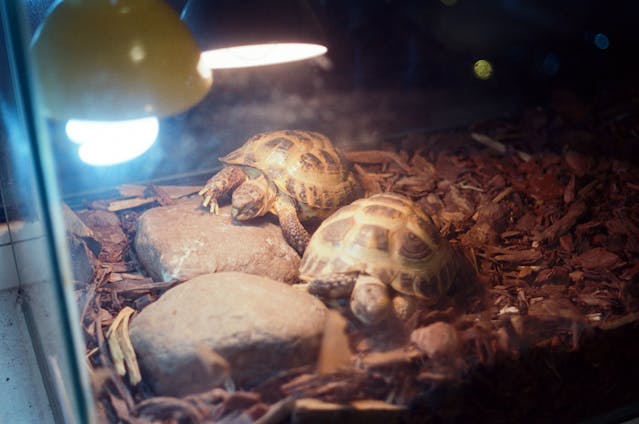
What "temperature gradient" actually means
Your enclosure should have:
- a warm side with a basking area
- a cool side where the reptile can retreat
The goal is choice. A single even temperature is a common beginner mistake.
Step-by-step setup that works
- Choose one side as the warm side. Put your main heat source there.
- Add at least two hides. One warm hide, one cool hide.
- Measure correctly. Use a probe thermometer for air temp and, if possible, an infrared thermometer for basking surface temp.
- Stabilize for 24 to 48 hours before the reptile arrives.
- Fine-tune slowly. Small adjustments beat big swings.
How to measure temperatures (the part most people get wrong)
- Stick-on dials are often inaccurate.
- Put probes where your reptile actually sits, not near the ceiling.
- Measure both air temperature and surface temperature if the species basks.
Thermostats: when they matter
Use a thermostat when:
- the heat source can overheat the enclosure
- the species is sensitive to temperature changes
- you use heat mats or ceramic heaters that run continuously
A thermostat is a safety device, not a luxury.
Common heat mistakes
- Heat rocks: a frequent cause of burns
- placing the heat source with no cool zone
- overheating at night when the species benefits from a drop
- not securing fixtures (falling lamps can be dangerous)
FAQ
What temperatures should I aim for?
It depends on species, age, and health. Start with a reputable species-specific care guide and validate with accurate measuring tools.
Should I use under-tank heating or overhead heat?
It depends on the species. Many basking species do best with overhead heat, while some nocturnal species benefit from gentle belly heat. Always ensure a cool zone.
Why is my reptile inactive?
Low temperatures are a common cause. Verify the gradient before assuming illness.
Next step
Want a reptile recommendation based on your comfort level with heat and lighting setup?
Find the best pet for your lifestyle
Want a quick, practical recommendation instead of browsing?
Start the quizFind the best reptile for your lifestyle
Already leaning toward a specific breed? Get a shortlist that fits your home and routine.
Find the best reptile for me