
Choosing your first reptile: beginner-friendly species and an honest checklist
Pick a reptile you can keep healthy long-term. A practical decision guide based on handling, heat and UVB needs, feeding, and lifespan.
Quick answer
Choose a species that matches your daily routine more than your aesthetics. The best first reptiles are the ones you can reliably provide correct heat, lighting, and diet for. If you are unsure, pick a species with simpler feeding and widely available care standards.
Start with 5 questions that prevent regret
1) Do you want a display pet or a handling pet?
- Display-focused: many geckos, snakes, and some skinks can be great.
- Handling-friendly: depends on the individual and the species, but calm lizards are often easier to read.
If handling is important, plan for slow trust-building and short sessions.
2) Can you commit to heat and lighting every day?
Reptiles are not low-maintenance animals. Their health depends on stable husbandry.
- You will need a heat gradient.
- Many species need UVB.
- You need reliable measuring tools (thermometers and often a hygrometer).
3) What kind of feeding are you comfortable with?
- Insects: keeping feeders and gut-loading takes routine.
- Greens: fresh produce needs frequent shopping and prep.
- Frozen-thawed prey: many snake keepers prefer this, but it still requires planning.
4) How much space can you truly give?
Small pet today can become a larger enclosure requirement later. Choose based on adult needs, not the baby in the store.
5) What is the lifespan you are signing up for?
Some reptiles live a very long time. Do not treat this as a short-term hobby.
Species that are often a good first choice
This depends on local availability and your comfort level, but many beginners do well with species that have clear husbandry standards and predictable diets.
- Leopard gecko: relatively straightforward setup, typically calm when handled correctly
- Corn snake: widely documented care, often good feeders
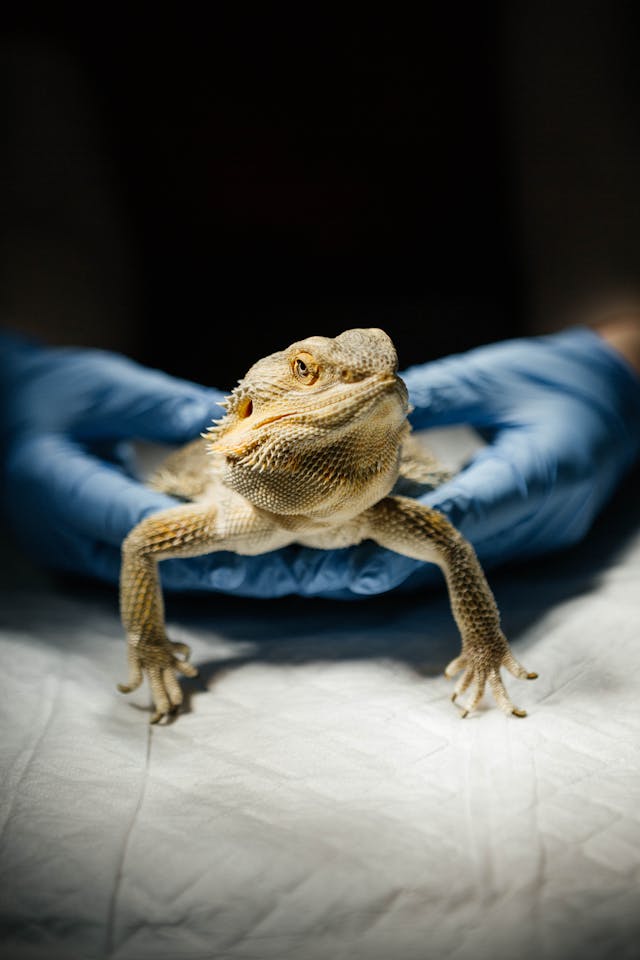
- Bearded dragon: interactive, but requires heat and often UVB plus a balanced diet
Species that are often not great for first-time keepers
- animals with very narrow humidity and temperature tolerances
- very large adult species that outgrow beginner setups quickly
- wild-caught animals with unknown health history
The store or breeder checklist
Use this before you pay.
- The animal looks alert and moves normally.
- Eyes are clear, breathing is quiet, no bubbles or crust around nose.
- No obvious wounds, swelling, or stuck shed on toes and tail.
- The seller can explain diet, supplements, heat, and UVB clearly.
- You know whether it is captive-bred and have basic records.
If the answers are vague, walk away.
Budget reality
Plan for the enclosure and equipment first. Reptiles are often cheap to buy and expensive to set up correctly.
FAQ
Should I adopt or buy?
If a reputable rescue or rehoming option is available, adoption can be great. Ask for health history and be ready to adjust husbandry.
Is a small enclosure okay for a baby?
Only if it is still easy to maintain correct gradients and the animal has adequate hides. Many keepers prefer setting up the adult enclosure early.
What is the biggest red flag?
A seller who cannot tell you the correct heat and lighting requirements.
Next step
Want a shortlist of reptiles that fit your home, time, and comfort level?
Find the best pet for your lifestyle
Want a quick, practical recommendation instead of browsing?
Start the quizFind the best reptile for your lifestyle
Already leaning toward a specific breed? Get a shortlist that fits your home and routine.
Find the best reptile for me