
Feeding and supplements for reptiles: insects, greens, calcium, and vitamins
A practical feeding guide that prevents common nutrition mistakes: gut-loading, dusting, portion size, and safe schedules.
Quick answer
Most reptile nutrition problems come from three things: the wrong diet, poor feeder quality, or inconsistent supplementation. Start with a species-specific plan and keep a simple log. Small improvements in preventing deficiencies go a long way.
Know your diet type first
- Insectivores: many geckos and some lizards
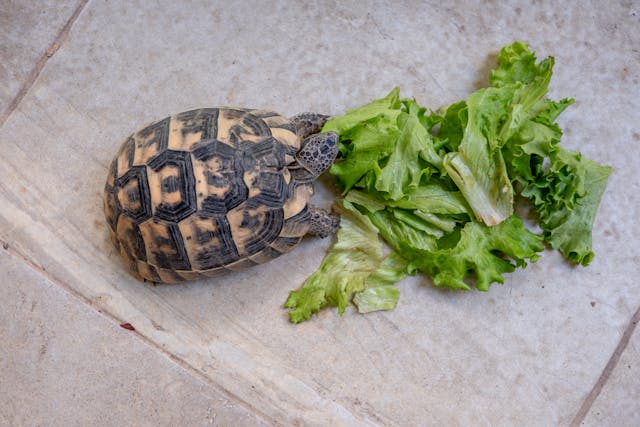
- Herbivores: some tortoises and iguanas
- Omnivores: species like bearded dragons (varies by age)
- Carnivores: many snakes
Do not feed based on "what looks right." Confirm the species diet.
Gut-loading: the hidden upgrade
If you feed insects, gut-load them 24 to 48 hours before feeding.
- Offer quality greens and appropriate feeder diets
- Keep feeders hydrated
A healthy insect is better nutrition than a starving one.
Dusting and supplements
Supplement needs vary, but common principles:
- Calcium is often used for many lizards.
- Some plans include vitamin D3 depending on UVB exposure.
- Multivitamins are usually periodic, not daily.
Over-supplementation can also cause problems. Use a schedule, not guesswork.
Portion size and frequency
- Juveniles often eat more frequently.
- Adults often do better with fewer meals.
Use body condition and species guidance, not begging behavior.
Common feeding mistakes
- feeding only one insect type for months
- offering prey that is too large
- leaving live insects in the enclosure too long
- skipping hydration and expecting food alone to solve it
FAQ
Can I feed only mealworms?
It is usually not ideal as a sole feeder for many species. Aim for variety.
Do I need supplements if I have UVB?
Often yes, but the type and frequency depend on diet and species. Confirm a reputable plan.
Should I free-feed leafy greens?
For some herbivores, yes. For others, it depends on age and diet balance.
Next step
Want a feeding plan tailored to the reptile type you are considering?
Find the best pet for your lifestyle
Want a quick, practical recommendation instead of browsing?
Start the quizFind the best reptile for your lifestyle
Already leaning toward a specific breed? Get a shortlist that fits your home and routine.
Find the best reptile for me