
Beginner aquarium setup: tank size, filter, heater, and lighting (what actually matters)
A simple equipment guide for a stable fish tank. What to buy, what to skip, and how to avoid common beginner mistakes.
Quick answer
For most beginners, a 40L to 80L freshwater tank with a reliable filter, a heater (for tropical fish), a thermometer, and a timer-controlled light is the sweet spot. Bigger tanks are more stable. Avoid tiny tanks, cheap unfiltered bowls, and "all-in-one" gadgets that are hard to maintain.
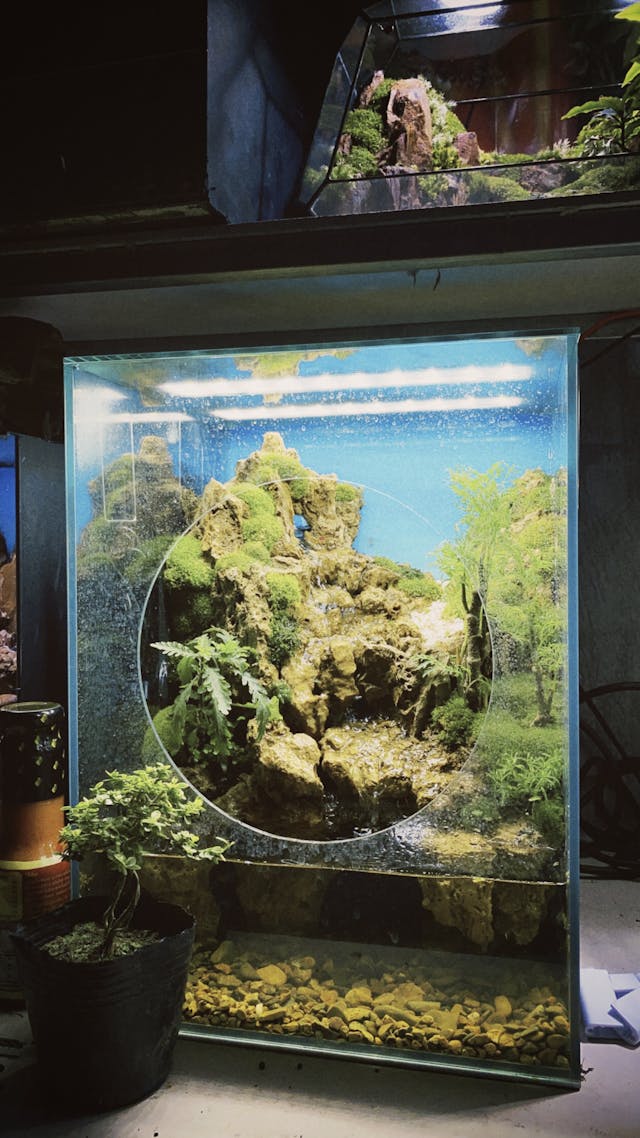
Tank size: bigger is easier
Water changes slowly in a bigger tank. That means fewer sudden swings in temperature and water quality.
- Best beginner range: 40L to 80L
- Okay if space is tight: 20L to 40L (choose hardy fish and stock lightly)
- Avoid as a first tank: under 20L unless you know exactly what you are doing
If you are stuck between two sizes, choose the bigger one.
Filters: choose stability over power
A filter is both a cleaner and your main "biological engine".
- Sponge filter: gentle, great for small tanks and fry
- Hang-on-back (HOB): easy to service, good flow control
- Canister filter: excellent for larger tanks, but more complex
What matters most:
- Consistent flow (not blasting fish around)
- Media you can keep (do not replace everything at once)
- Easy maintenance (you will actually do it)
Heaters: only if you keep tropical fish
Many popular beginner fish are tropical and want stable warmth.
- Use a heater with a thermostat and pair it with a thermometer.
- Place the heater where water flow passes it so heat spreads evenly.
- Aim for stability over chasing exact numbers.
Coldwater setups can work too, but they need fish that truly tolerate cooler temperatures.
Lighting: avoid algae drama
Light is for you, your plants, and your fish's day-night rhythm.
- Use a timer.
- Start with 6 to 8 hours/day.
- If algae explodes, reduce light and review feeding and water changes.
If you want live plants, pick easy ones (anubias, java fern, floaters) and keep the light moderate.
Substrate and decor: make it fish-friendly
- Sand: great for bottom dwellers, looks natural
- Gravel: easy, forgiving, works for most community fish
Add hiding places. Fish feel safer and behave better when they can retreat.
A beginner shopping list (minimal, realistic)
- Tank + lid
- Filter + media
- Heater (if tropical) + thermometer
- Dechlorinator
- Liquid test kit (ammonia, nitrite, nitrate)
- Net, siphon, bucket (tank-only)
- Food appropriate for your species
- Timer for lights
FAQ
Is a "starter kit" tank a good idea?
Some are great, some cut corners. If you buy a kit, check the filter quality and confirm replacement parts are easy to get.
Do I need an air pump?
Not always. Many filters provide surface agitation. An air stone can help oxygenation, especially in warm water or heavily stocked tanks.
Should I buy a fancy CO2 system for plants?
Not for a first tank. Start with low-tech plants and consistent routines.
Next step
Want a fish match that fits your space, time, and comfort level with maintenance?
Find the best pet for your lifestyle
Want a quick, practical recommendation instead of browsing?
Start the quizFind the best fish for your lifestyle
Already leaning toward a specific breed? Get a shortlist that fits your home and routine.
Find the best fish for me