Dog body language 101: 12 signals that tell you ‘I am stressed’
Learn the small signals before a growl or snap: eyes, ears, mouth, posture, and what to do in the moment.
Quick answer
Most dogs show stress long before they growl or snap. Learn to notice small signals like lip licking, whale eye, freezing, and turning away. When you see them, reduce pressure: add distance, give the dog a choice, and reward calm behavior.
Why body language matters
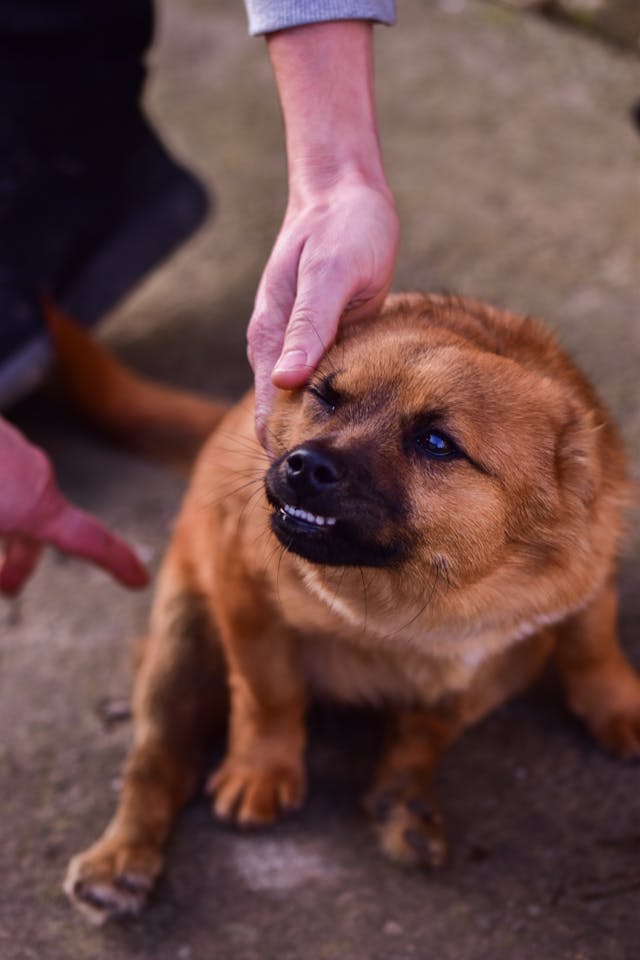
Dogs do not “suddenly bite.” They usually communicate discomfort first. If humans miss the early messages, the dog may escalate because polite signals did not work.
12 stress signals you should know
- Lip licking when no food is present
- Yawning in tense situations
- Whale eye (white of the eye showing)
- Turning head away from a person or dog
- Freezing for a second or two
- Paw lift in uncertainty
- Tucked tail or tail low and stiff
- Ears pinned back
- Panting when not hot or active
- Shaking off (like after a bath) in social moments
- Creeping or crouching
- Over-friendly jumping that looks “hyper” but is stress
A single signal is not a verdict. Patterns matter.
What to do in the moment
Use the three-step response:
- Increase distance: step back, move away, create space.
- Reduce intensity: soften voice, stop reaching, pause interaction.
- Give a choice: let the dog approach again if it wants.
Reward the dog for calm behavior and choosing to stay near you.
Safety notes for kids and guests
- No hugging dogs.
- No face-to-face leaning.
- Teach kids to invite the dog by sitting sideways and letting the dog come.
If a dog is growling, it is communicating. Take it seriously and reduce pressure.
FAQ
Is tail wagging always friendly?
No. Dogs can wag when excited, stressed, or conflicted. Look at the whole body: loose posture is different from stiff posture.
My dog yawns a lot. Is it stress?
Sometimes it is fatigue. If yawning shows up during greetings, vet visits, or noisy events, it can be a stress signal.
Should I correct growling?
No. Growling is a warning. If you punish it, the dog may skip the warning next time. Reduce pressure and address the cause.
How do I help a fearful dog around guests?
Use distance, calm routines, and rewards. Do not force greetings. Let the dog choose interaction.
Next step
Ready to narrow down the best fit for your lifestyle?
Find the best pet for your lifestyle
Want a quick, practical recommendation instead of browsing?
Start the quizFind the best dog breed for your lifestyle
Already leaning toward a specific breed? Get a shortlist that fits your home and routine.
Find the best dog breed for me