Dog nutrition basics: choosing food and reading labels without confusion
How to pick a food that fits your dog, what label claims matter, and simple rules that prevent common mistakes.
Quick answer
Choose a dog food that matches your dog’s age, size, and health, and focus on consistency. Use label claims as hints, not truth. Track body condition and stool quality. If your dog looks healthy, maintains a stable weight, and has good energy, you are on the right track.
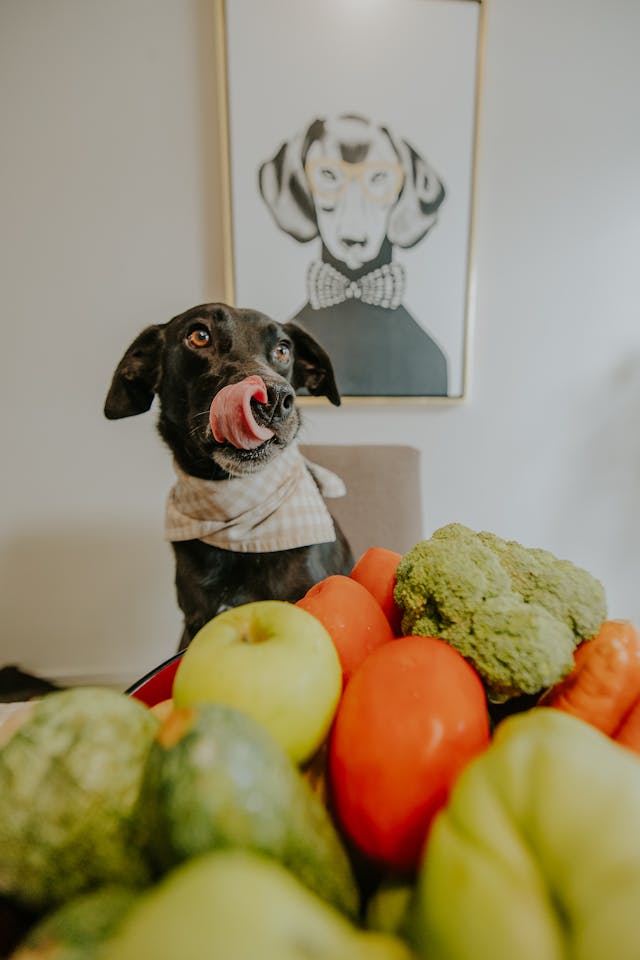
The simple goals of dog nutrition
- stable healthy weight
- steady energy
- good stool quality
- healthy coat and skin
Fancy ingredients do not matter if the dog is gaining weight or has chronic upset stomach.
How to read a label without getting lost
Look for:
- Life stage: puppy, adult, senior
- Feeding guide: a starting point, not a rule
- Calorie information: if available, very useful
- Complete and balanced statement: indicates it meets basic nutrient needs
Ignore most marketing buzzwords. Focus on your dog’s response.
Choosing a food: practical rules
- Start with one food and keep it consistent for a few weeks.
- If switching, do it gradually over 7–10 days.
- Measure food, do not guess. Small errors add up.
Signs you might need a change
- repeated diarrhea or vomiting
- constant itching without another cause
- poor coat quality
- weight gain or loss despite measured portions
Talk to your vet before making big changes, especially for puppies.
Treats and table scraps
Treats should be a small part of the diet. Use tiny pieces. You can use part of the normal kibble as “treats” for training and keep calories under control.
FAQ
Is grain-free better?
Not automatically. Many dogs do fine with grains. Choose what works for your dog and follow your vet’s guidance.
How often should I feed my dog?
Many adults do well with two meals a day. Puppies often need more frequent meals.
Do I need supplements?
Most dogs on a complete diet do not. Supplements can help in specific cases, but ask your vet first.
How do I know if my dog is overweight?
Use body condition: you should feel ribs with light pressure and see a waist from above. Your vet can confirm ideal weight.
Next step
Ready to narrow down the best fit for your lifestyle?
Find the best pet for your lifestyle
Want a quick, practical recommendation instead of browsing?
Start the quizFind the best dog breed for your lifestyle
Already leaning toward a specific breed? Get a shortlist that fits your home and routine.
Find the best dog breed for me