
First vet visit checklist: what to ask, what to bring, what to track
A practical checklist for a smooth first vet visit, plus the questions that prevent surprises later.
Quick answer
Bring medical records, a stool sample if requested, and a list of questions. Track your dog’s diet, routines, and any symptoms. The first vet visit is about baseline health, prevention, and setting expectations for vaccines, parasites, and long-term care.
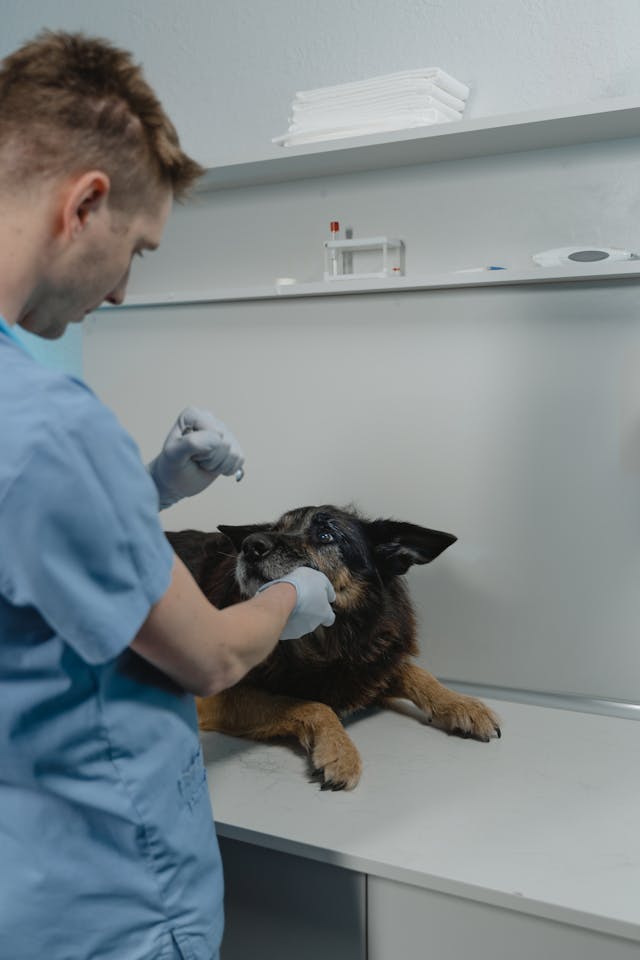
What to bring
- Any adoption or breeder paperwork
- Vaccine and deworming history (if available)
- Current food brand and feeding amount
- A short list of behavior notes (anxiety, barking, appetite)
- Treats your dog likes
- A leash and secure harness
If your vet asks, bring a fresh stool sample in a clean container.
What to ask the vet
Prevention
- Which vaccines are recommended for my area?
- Flea, tick, and worm prevention schedule
- Heartworm prevention (where relevant)
Daily care
- Body weight target and how to track it
- Dental care options and brushing routine
- Exercise recommendations for age and size
Safety and emergencies
- What is the nearest emergency clinic?
- Which symptoms should trigger an urgent visit?
- What is a reasonable pet insurance plan for my situation?
What to track for the first month
- appetite and water intake
- stool quality and frequency
- energy level and sleep
- itchiness, coughing, sneezing
- limping or reluctance to jump
Small patterns help your vet spot issues early.
If your dog is scared of the vet
- Practice gentle handling at home with treats.
- Visit the clinic for a “happy visit” if possible.
- Ask about low-stress handling and scheduling quiet appointment times.
This article is general guidance. Your vet’s advice should come first.
FAQ
Should I fast my dog before the vet visit?
Usually no, unless your vet requests it for specific tests. Bring treats for positive reinforcement if allowed.
How soon after adoption should I go?
Ideally within the first week or two, especially if medical history is unclear.
Do I need pet insurance right away?
If you want insurance, earlier is often better because coverage can exclude pre-existing conditions.
What if I do not have vaccine records?
Tell your vet what you know. They can recommend a safe plan, which may include restarting or titer testing.
Next step
Ready to narrow down the best fit for your lifestyle?
Find the best pet for your lifestyle
Want a quick, practical recommendation instead of browsing?
Start the quizFind the best dog breed for your lifestyle
Already leaning toward a specific breed? Get a shortlist that fits your home and routine.
Find the best dog breed for me