
Your first month with a bird: a calm routine that builds trust fast
A week-by-week plan for the first month with a new bird: reducing stress, building trust, and starting gentle handling without bites or panic.
Quick answer
The first month is about safety and predictability, not performance. Keep sleep consistent, move slowly, and reward calm behavior. Trust grows when your bird can predict what happens next.
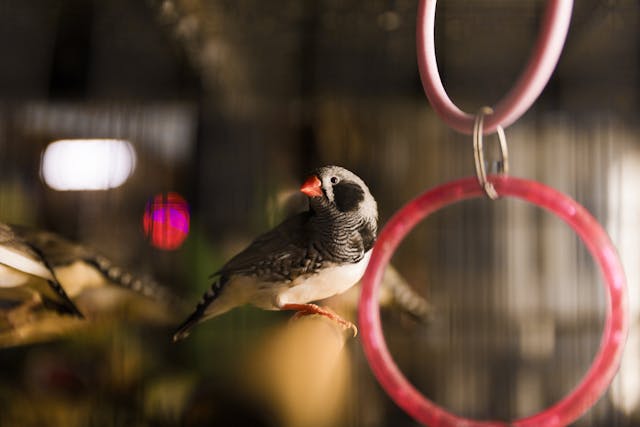
Before day 1: set up a quiet landing zone
- Cage ready with familiar food if possible
- Water bowls in easy reach
- Minimal toys at first, then add gradually
- A safe “perch spot” outside the cage for supervised time
Week 1: settle and observe
Goals: sleep, eating, and calm body language.
- Keep handling minimal.
- Sit near the cage and talk softly.
- Use treats through the bars if the bird is comfortable.
Watch for stress signs: pinned eyes, rigid posture, rapid breathing, frantic climbing.
Week 2: build a treat-based connection
Goals: the bird approaches you voluntarily.
- Offer high-value treats from your hand at cage door level.
- Stop before the bird is overwhelmed.
- Keep sessions short (2 to 5 minutes, a few times a day).
Week 3: introduce step-up gently
Goals: predictable hand cues.
- Start with a perch step-up if hands cause fear.
- Use a consistent cue: “step up”.
- Reward immediately with a treat.
If the bird refuses, do not push. Back up a step.
Week 4: routine plus enrichment
Goals: a stable day that prevents boredom.
- Morning: fresh food, short training, calm social time
- Midday: foraging toy or shredding toy
- Evening: short session and wind-down
- Night: dark, quiet sleep window
3 rules that prevent most first-month problems
- Sleep first: poor sleep causes screaming and biting.
- Choice matters: never force hands into fear.
- Reward calm: attention is powerful, so give it for quiet moments.
FAQ
When should I take my new bird to the vet?
Ideally within the first 1 to 2 weeks, especially if you have other birds. Early checks catch issues before they become emergencies.
My bird is quiet. Is that good?
Sometimes, yes. Sometimes it is shutdown stress. Look for eating, preening, and curiosity as positive signs.
Should I clip wings?
This is a personal and welfare-heavy decision that depends on your home and your bird. If you consider it, discuss risks and alternatives with an avian vet and a qualified behavior specialist.
Next step
Ready to start training? Begin with step-up and simple stationing. Short, positive sessions work better than long ones.
Find the best pet for your lifestyle
Want a quick, practical recommendation instead of browsing?
Start the quizFind the best bird for your lifestyle
Already leaning toward a specific breed? Get a shortlist that fits your home and routine.
Find the best bird for me