
First Bird Checklist: what to do before bringing your bird home
A practical checklist for a calm day-one setup: cage, food, safety, and a simple first-week routine.
Quick answer
Before you bring a bird home, set up the cage completely (perches, food, water, toys), bird-proof the room (fumes, windows, wires), plan a calm first week, and find an avian vet. A ready environment prevents stress and builds trust faster.
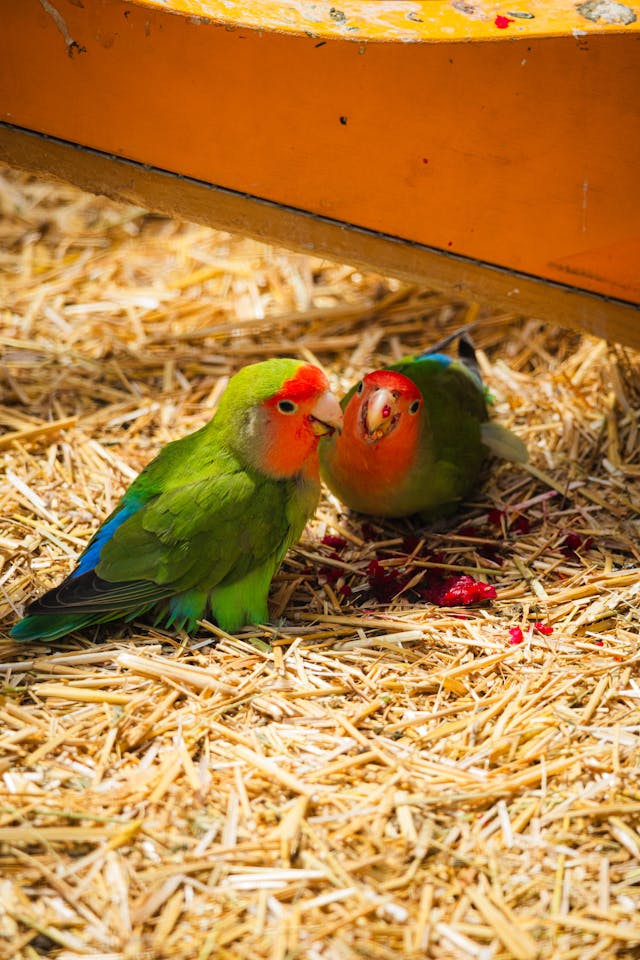
The essentials you should have
- Safe cage and stand: appropriate size, sturdy bars, easy-clean tray
- Perches: different diameters and textures (avoid sandpaper covers)
- Food and water bowls: easy to remove and wash
- Diet basics: quality pellets plus fresh vegetables (seeds as treats)
- Toys and enrichment: rotate simple toys and add foraging options
- Cage liner and cleaning supplies: paper liners, mild unscented cleaner
- Travel carrier: for vet visits and safe transport
Set up the cage before day one
- Put the cage in a bright, calm area (not the kitchen, not in a draft).
- Place perches so droppings do not fall into food and water.
- Add one or two toys at first. Too many can overwhelm a new bird.
- Ensure there is a quiet sleep period (10 to 12 hours of darkness).
Bird-proof your home
- No PTFE/Teflon fumes: avoid non-stick pans and overheated appliances near birds.
- No smoke or aerosols: vaping, incense, candles, sprays, strong cleaners.
- Cover windows and mirrors: prevent collisions during first flights.
- Hide hazards: wires, toxic plants, open water, and small chewable items.
The first-week plan
- Day 1: quiet, minimal handling. Let the bird observe.
- Days 2–3: sit nearby, talk softly, offer treats through the bars.
- Days 4–7: begin gentle hand-training (short sessions, stop before stress).
Handling basics (trust first)
- Move slowly and avoid grabbing. For most birds, being chased or grabbed breaks trust.
- Use treats to reward calm behavior.
- Keep sessions short (2 to 5 minutes) and end on a positive note.
FAQ
How big should the cage be?
Bigger is almost always better. Choose the largest cage you can reasonably fit, and prioritize width for flapping and climbing.
Do I need an avian vet?
Yes. Birds hide illness, and an avian vet can help with diet, environment, and early warning signs.
Can a bird be left alone all day?
Most companion birds need daily interaction. If your schedule is long, consider how you will provide enrichment, safe out-of-cage time, and social contact.
Are birds high maintenance?
Daily care is simple, but consistency matters. Expect routine cleaning, fresh food/water, and daily enrichment.
Next step
Ready to find the best pet match for your lifestyle and routine?
Find the best pet for your lifestyle
Want a quick, practical recommendation instead of browsing?
Start the quizFind the best bird for your lifestyle
Already leaning toward a specific breed? Get a shortlist that fits your home and routine.
Find the best bird for me